Complete Guide to Proper Dumpster Loading
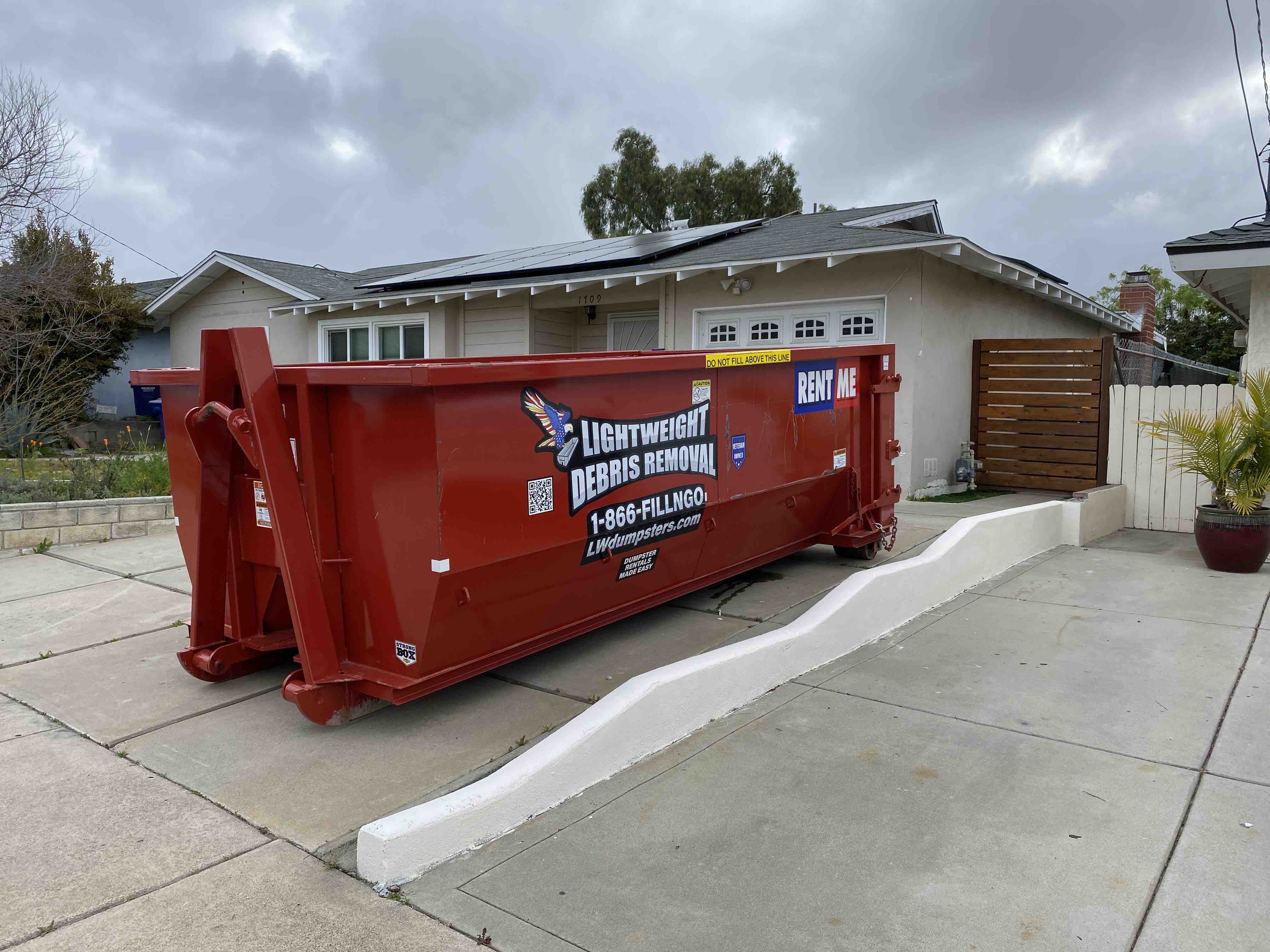
If you're managing a construction, renovation, or decluttering job, it may seem that loading a dumpster is straightforward. In reality, the placement of materials plays a key role in space use, job safety, and overall efficiency. Most people don’t realize how much strategy goes into correct dumpster loading, resulting in inefficient space use, potential danger, and extended work time.
At Lightweight Debris Removal, we highlight that the way you load a dumpster matters as much as picking the right size. Taking an organized approach maximizes container use while ensuring a secure and efficient workspace. Our aim is to help customers gain the most from their rentals through understanding correct loading methods that minimize clutter, avoid damage, and speed up cleanup.
Planning Before You Start Loading
Prior to tossing any debris in, it’s crucial to plan ahead. Identify what materials you’ll dispose of and check if any can be recycled, reused, or need special handling. Pre-sorting creates efficiency and minimizes the hassle of re-sorting mid-process. Separating risky materials improves safety and prevents potential accidents.
Mapping out the order of loading matters just as much. Start by positioning large, heavy pieces at the bottom for balance. Afterward, lighter materials can be layered on top to fill in spaces. A well-thought-out plan helps avoid imbalance and instability once hauling begins. Strategic organization leads to safer, faster, and more effective loading results.
Using Space Efficiently
Effective space management is essential for optimal dumpster use. Break down bulky items such as furniture or large appliances before placing them inside. By flattening cardboard, detaching parts, and compacting items, you free up extra room. It helps you fit additional material without overcrowding or instability.
Layering materials is another useful trick for maximizing capacity. Use sturdy flat pieces as a bottom layer. Add lighter debris in between to fill open spaces. Keep the load within the dumpster’s limits to ensure safe transport. Smart layering boosts capacity and promotes a safer cleanup process.
Ensuring Safety While Loading a Dumpster
Keeping safety in mind throughout the loading process is vital. Protect yourself with gloves, proper footwear, and durable clothing to avoid harm. Before you start, ensure the area is free from obstacles or tripping hazards. Being aware of your surroundings supports a safer environment for everyone involved.
Do not hurl or drop debris from afar into the container, as it can cause unpredictable movement or potential damage. Instead, place objects deliberately and with control. For heavy items, always lift with help to stay safe. By practicing caution, you maintain both productivity and protection on-site.
Efficiently Sorting and Arranging Materials
Keeping materials sorted throughout the loading process is essential for maintaining efficiency. Separate different materials like wood, metal, and household refuse for easier management. This method improves the workflow and eases both the loading and dumping process. This organization helps identify recyclables and promotes environmentally conscious waste handling.
Proper organization eliminates the hassle of moving things around later. Position lighter, flexible materials toward the top layer and heavy ones beneath. This method prevents wind from scattering light materials and keeps the dumpster balanced. Staying methodical enhances workflow efficiency and maintains professionalism.
Preventing Property Damage During Dumpster Placement
Dumpsters are durable, but the property underneath may need protection. Placing wooden planks or similar barriers underneath distributes weight and prevents surface damage. This easy precaution helps maintain the integrity of your property during the project.
Choosing the right placement location is just as important. Opt for a stable, easy-to-reach area that won’t obstruct entryways or paths. Keep it at a safe distance from fences, walls, or gardens that might be impacted. Proper planning and setup promote a damage-free and stress-free project environment.
Boosting Productivity on Large-Scale Cleanups
Big projects tend to generate constant debris that needs proper management. Prepare a sorting zone to prearrange waste and make the loading phase smoother. It promotes even weight distribution and reduces inefficiencies mid-project.
Encouraging teamwork and good communication boosts workflow efficiency. Assign crew members to specific duties such as sorting, lifting, or compacting debris. When everyone knows click here their tasks, the process runs faster and stays organized. Planning and cooperation are vital for completing big projects without unnecessary setbacks.
Understanding Restricted Dumpster Items
Not all waste materials belong in a standard dumpster, and knowing what’s restricted is vital. Items such as toxic waste, chemicals, and electronic devices need regulated disposal. Dumping restricted materials risks pollution and additional disposal problems. Check local guidelines before loading to stay compliant and safe.
Do not overfill or overload the dumpster to maintain safety. An overfilled dumpster can create handling issues and pose transport hazards. By following proper load limits, you support responsible waste management. Being mindful of what and how much you load ensures smooth pickup and transport.
Choosing a Dependable Dumpster Rental Partner
Partnering with a trustworthy service improves your overall project results. Lightweight Debris Removal offers expert dumpster rental services designed for both homeowners and contractors. From drop-off to collection, our team ensures a seamless and worry-free rental experience.
Choosing a service dedicated to client satisfaction ensures smoother operations. Attention to detail, communication, and timeliness create successful outcomes. Lightweight Debris Removal continues to prioritize safety, organization, and customer satisfaction in every rental experience.
Creating an Organized and Productive Worksite
Efficient dumpster loading directly impacts overall project productivity. A tidy site helps teams focus on tasks without unnecessary clutter or confusion. With smart loading strategies, cleanup becomes an effortless part of the workflow.
Lightweight Debris Removal reminds customers that dumpster loading is about more than getting rid of waste. This approach enhances safety, promotes productivity, and preserves property. Through foresight, precision, and teamwork, dumpster loading transforms into a vital part of success.